The Real Cost of a Year-Round Tan: Sunbeds and Your Skin
The Real Cost of a Year-Round Tan: Sunbeds and Your Skin
The appeal of a sunbed is straightforward: a controlled, predictable tan without waiting for weather. What gets lost in that convenience is how concentrated the UV dose actually is compared with a normal day outdoors.
Sunbeds have been marketed for decades as a lower-risk alternative to sun exposure. The evidence built up since has moved firmly in the opposite direction.
That shift in the evidence is why several countries have moved from voluntary guidance to outright legal restriction on commercial tanning bed use, a regulatory step governments rarely take without a substantial body of research behind it.
Weighing the Question Honestly: Are Sunbeds Safe?
Anyone asking “are sunbeds safe?” is really weighing a cosmetic preference against a well-documented, dose-dependent cancer risk, and the honest answer from most dermatologists is that no frequency of use is genuinely risk-free.
Research summarised by the American Academy of Dermatology found indoor tanning increases squamous cell carcinoma risk by 58% and basal cell carcinoma risk by 24%, alongside the more widely discussed melanoma link. These are the two most common skin cancers overall, and while typically less dangerous than melanoma, they still require surgical removal and can cause lasting scarring.
What a Single Session Actually Does
Using a tanning bed just once can increase melanoma risk by around 20%, according to research widely cited by dermatology bodies. That's not a cumulative lifetime figure, it's the effect attributed to isolated use, which surprises most people who assume risk only builds with repeated sessions.
Modern sunbeds often emit UVA at intensities considerably higher than midday tropical sun, concentrated into a 10 to 20 minute session. The skin doesn't distinguish between UV from a lamp and UV from the sun; the damage mechanism, DNA mutation in skin cells, is identical.
Some users assume a tan itself signals the skin has adapted and is now somewhat protected against further damage. It hasn't. A tan is visible evidence that UV has already reached living skin cells and triggered a defensive pigment response, not a shield against subsequent exposure.
Why Age at First Use Matters So Much
Anyone starting indoor tanning before age 35 faces a substantially higher lifetime melanoma risk, a pattern strong enough that several countries have banned under-18 access to commercial tanning salons entirely.
This age effect exists because younger skin cells have more remaining division cycles ahead of them, giving early UV-induced mutations more opportunity to compound over subsequent decades. It's part of why the public health messaging specifically targets teenagers and young adults rather than treating tanning bed risk as uniform across all ages.
Several countries, including Australia and Brazil, have banned commercial tanning beds outright rather than simply restricting access by age, a step that reflects how little ambiguity remains in the underlying evidence once regulators reviewed it closely.
What Actually Happens to Skin Structure Over Time
Beyond cancer risk, repeated sunbed use accelerates visible skin ageing considerably faster than equivalent outdoor sun exposure would, since the concentrated UVA dose breaks down collagen and elastin more efficiently in a short session than a comparable amount of natural sunlight spread across a longer period.
Regular users often notice this shift by their late twenties or early thirties: fine lines, uneven pigmentation and a leathery skin texture appearing years earlier than would be typical without sunbed use, independent of any cancer diagnosis.
Dermatologists sometimes describe this as a trade patients don't realise they're making: a temporary cosmetic result today, paid for with skin that visibly ages faster over the following decade, quite apart from whatever cancer risk accumulates in parallel.
Skin structure changes like these are largely irreversible once established, unlike a suntan itself which fades within weeks. Collagen loss in particular doesn't rebuild on its own, which is why dermatologists tend to describe cumulative sunbed damage as a long-term cosmetic cost rather than a temporary one.
Alternatives That Deliver the Look Without the Risk
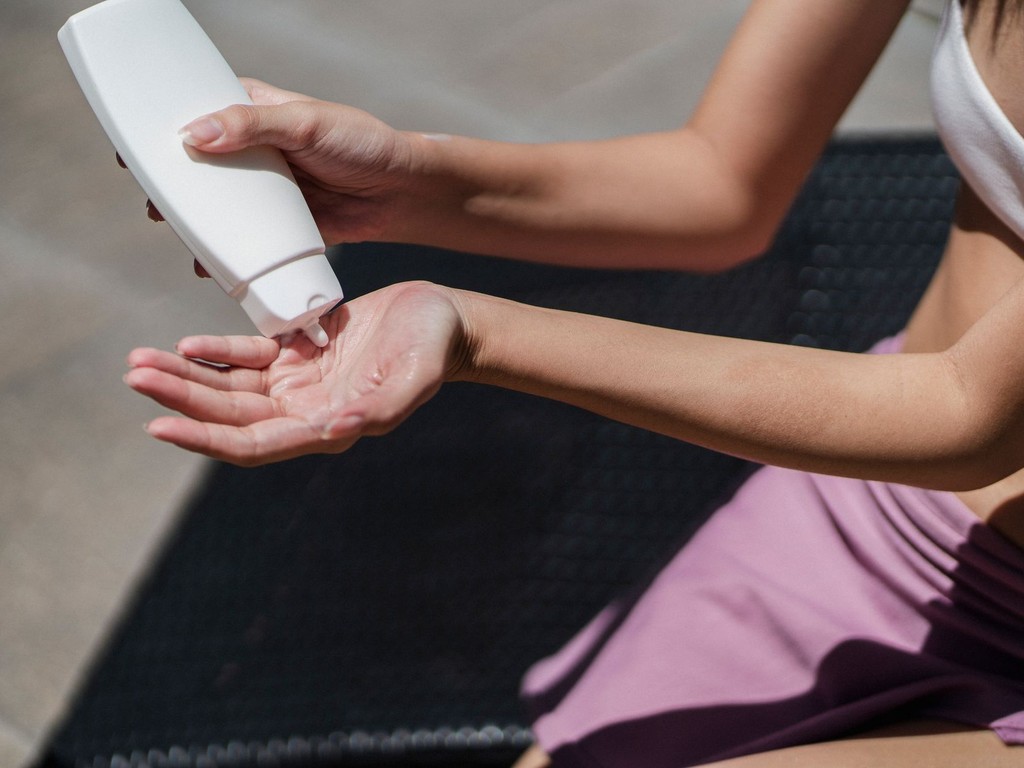
Spray tans and self-tanning lotions using dihydroxyacetone produce a comparable cosmetic result without any UV exposure at all, and formulations have improved considerably in recent years in terms of both colour accuracy and how naturally they fade.
For people specifically chasing the mood benefit rather than the tan itself, bright light therapy lamps designed for seasonal affective disorder offer some of the psychological lift without the UV component, since it's often the light exposure rather than the colour change that people are actually seeking.
Whichever alternative someone chooses, the underlying point holds: there is currently no version of a UV tanning bed that dermatology bodies consider low-risk enough to recommend, which puts it in a different category from most cosmetic choices people weigh purely on personal preference.
For anyone still weighing the decision, it's worth talking to a GP or dermatologist directly about individual risk factors, since skin type, family history and prior sun exposure all shift the calculation meaningfully from one person to the next, even where the general guidance stays the same.
Back to the Home Page